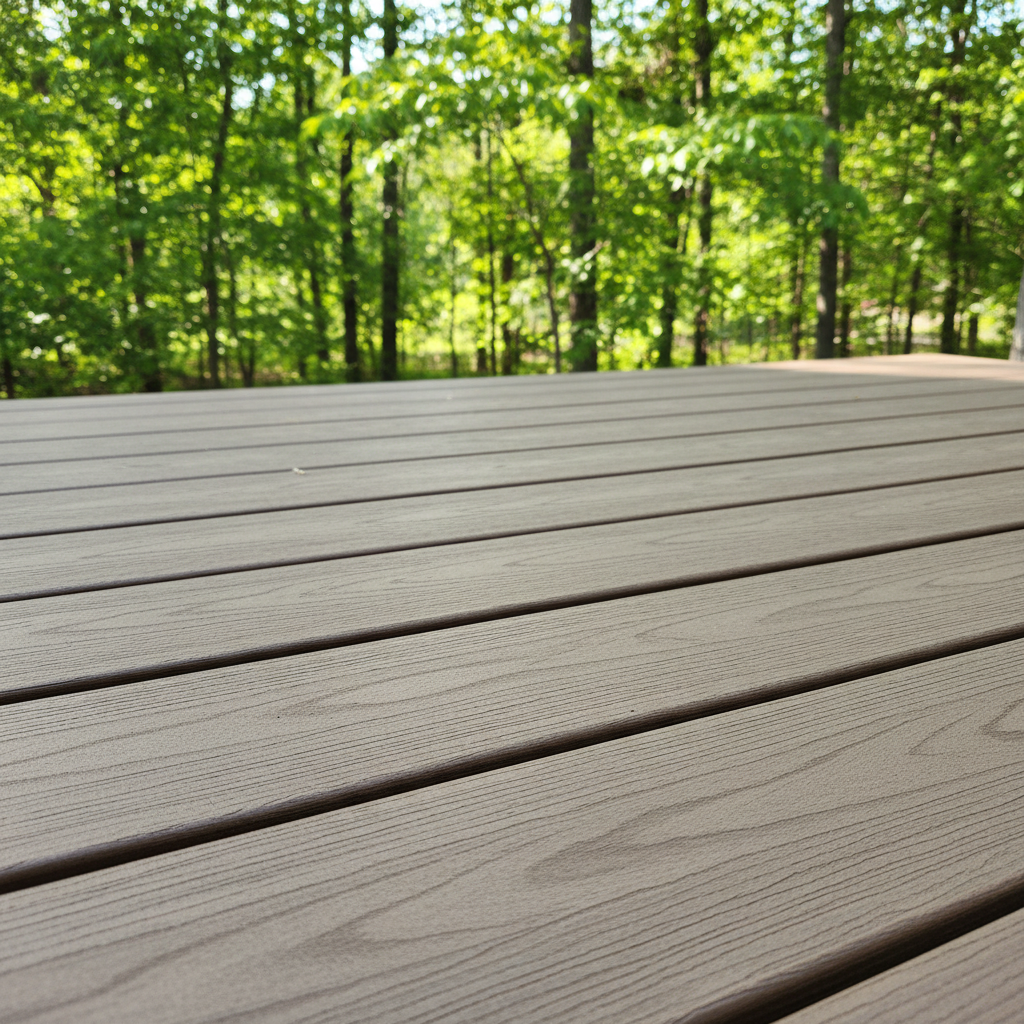
Alright, let's talk Trex. I get a lot of questions about composite decking, and Trex is usually the brand folks bring up first. It's popular, and for good reason, but like anything else, it's got its ins and outs. I've built plenty of these decks around Clio, from those cozy homes near the school to the bigger places out by the lake, and I've seen how they hold up to our Alabama sun and humidity. So, I figured I'd tackle the most common questions I hear. No marketing fluff, just honest answers from someone who works with this stuff every day.
What exactly is a Trex deck made of? Is it really 'plastic'?
That's a good question, and no, it's not just plastic. Trex decking is actually made from a mix of recycled wood fibers and recycled plastic film. Think sawdust and old grocery bags, all ground up and bonded together under heat and pressure. The exact ratio changes a bit depending on the specific Trex line you're looking at, but generally, it's about 95% recycled materials. That wood gives it a natural feel and some rigidity, and the plastic makes it super durable and resistant to rot and insects. It's engineered to be tough, not just a big piece of plastic, you know?
How long do Trex decks actually last? Will I really never have to replace it?
Look, 'never' is a strong word, and nothing truly lasts forever, especially when it's exposed to our wild weather down here. But Trex decks are built to last a long, long time. Most lines come with a 25-year limited residential warranty against material defects, fading, and staining. Some of their higher-end lines even offer a 50-year warranty. Now, that doesn't mean it'll look absolutely brand new after 25 years, but it does mean you shouldn't have to worry about structural failure, rotting, or significant deterioration. I've seen older Trex decks still looking great, especially if they've been reasonably maintained. You're definitely getting a long-term investment, way longer than most pressure-treated wood decks.
Do Trex decks get hotter than wood decks in the sun?
This is a big one, especially with our scorching summers here in Clio. The short answer is yes, generally, composite decks like Trex can get hotter than natural wood decks, especially darker colors. The plastic content tends to absorb and retain heat more than wood does. If you're planning a deck that gets direct, all-day sun, and you've got kids or pets who'll be barefoot on it, this is something you absolutely need to consider. Lighter colors will be cooler than darker ones; that's just physics. Trex has made some advancements in their newer lines to try and mitigate this, but it's still a factor. If you're building a pool deck, for example, we'll definitely talk about color choices and maybe even shade options.
What kind of maintenance does a Trex deck really need? Is it truly 'maintenance-free'?
Okay, let's clear this up: there's no such thing as a truly 'maintenance-free' deck, not even Trex. It's low-maintenance, not no-maintenance. You won't be sanding, staining, or sealing it every year, which is a huge win. But you still need to keep it clean. Dirt, pollen (and we get a lot of that yellow stuff around here!), leaves, and food spills can still accumulate and cause mildew or stains if left unchecked. I recommend a good sweep or leaf blower regularly, and a thorough cleaning with soap and water and a soft brush a couple of times a year. For tougher spots, Trex has specific cleaning products they recommend. It's a lot less work than wood, but it's not zero work.
Can Trex decks scratch or fade over time?
Yep, they can. While Trex is designed to be highly resistant to scratching and fading, it's not indestructible. Heavy furniture being dragged, sharp objects, or even abrasive cleaning pads can scratch the surface. As for fading, modern Trex products, especially the capped composites, have much better fade resistance than earlier generations. The cap layer is engineered with UV inhibitors. You'll see some initial 'weathering' in the first few months as the deck settles, but after that, significant fading is usually covered by the warranty. Still, direct, intense sun day after day, year after year, will have some effect over a very long period. It's usually minimal, but don't expect the color to be exactly the same 20 years from now as it was on day one.
Are there different grades or types of Trex decking? Which one is right for me?
Absolutely, Trex isn't a one-size-fits-all product. They have several different lines, and they vary in terms of durability, aesthetics, and price point. Here's the rundown:
- Trex Enhance: This is their entry-level capped composite. It's a good balance of performance and affordability. It's got that protective cap layer, comes in a few solid colors, and is a solid step up from wood.
- Trex Select: A step up from Enhance, this one offers a slightly more premium look and feel with a wider range of colors and wood grain patterns. Still a great value.
- Trex Transcend: This is their premium line. It's got the thickest, most durable cap layer, the most realistic wood grain patterns, and the widest variety of rich, multi-tonal colors. It's built for maximum performance and aesthetics.
Which one is right for you really depends on your budget, how much traffic your deck will see, and the look you're going for. If you're just looking for a solid, low-maintenance deck for a quiet backyard, Enhance might be perfect. If you want a showstopper deck that's going to be the centerpiece of your outdoor living and see heavy use, Transcend is probably the way to go. We can walk through the options and I can show you samples when we talk about your project with Paradise Deck Solutions.
Is Trex decking slippery when wet?
This is a common concern, especially if you're thinking about a deck near a pool or in a shady spot that might stay damp. Generally, Trex decking is designed with a textured surface that provides good traction, even when wet. It's usually less slippery than smooth, wet wood. However, if you get a build-up of mildew, algae, or even just a layer of wet leaves, any surface can become slick. That's another reason why regular cleaning is important. If you're particularly concerned, some of the deeper embossed grain patterns might offer a bit more grip, but overall, I haven't had clients report significant slipperiness issues with Trex under normal conditions.
Hopefully, that clears up some of the big questions you've got about Trex. It's a fantastic product for a lot of people, offering a beautiful, long-lasting outdoor space with way less hassle than traditional wood. But like anything, it's got its characteristics. Knowing what to expect upfront helps you make the best decision for your home and your family.